
Horse Fence Installation for Houston Pastures and Paddocks
Advantage Fence installs horse fencing for pastures and paddocks across Greater Houston. Horses need an enclosure designed for how they move and interact with a fence, with attention to visibility, openings and contact surfaces. We review your turnout areas, existing fencing and access needs before quoting a new installation or replacement.
Pasture and paddock fencing around your horses
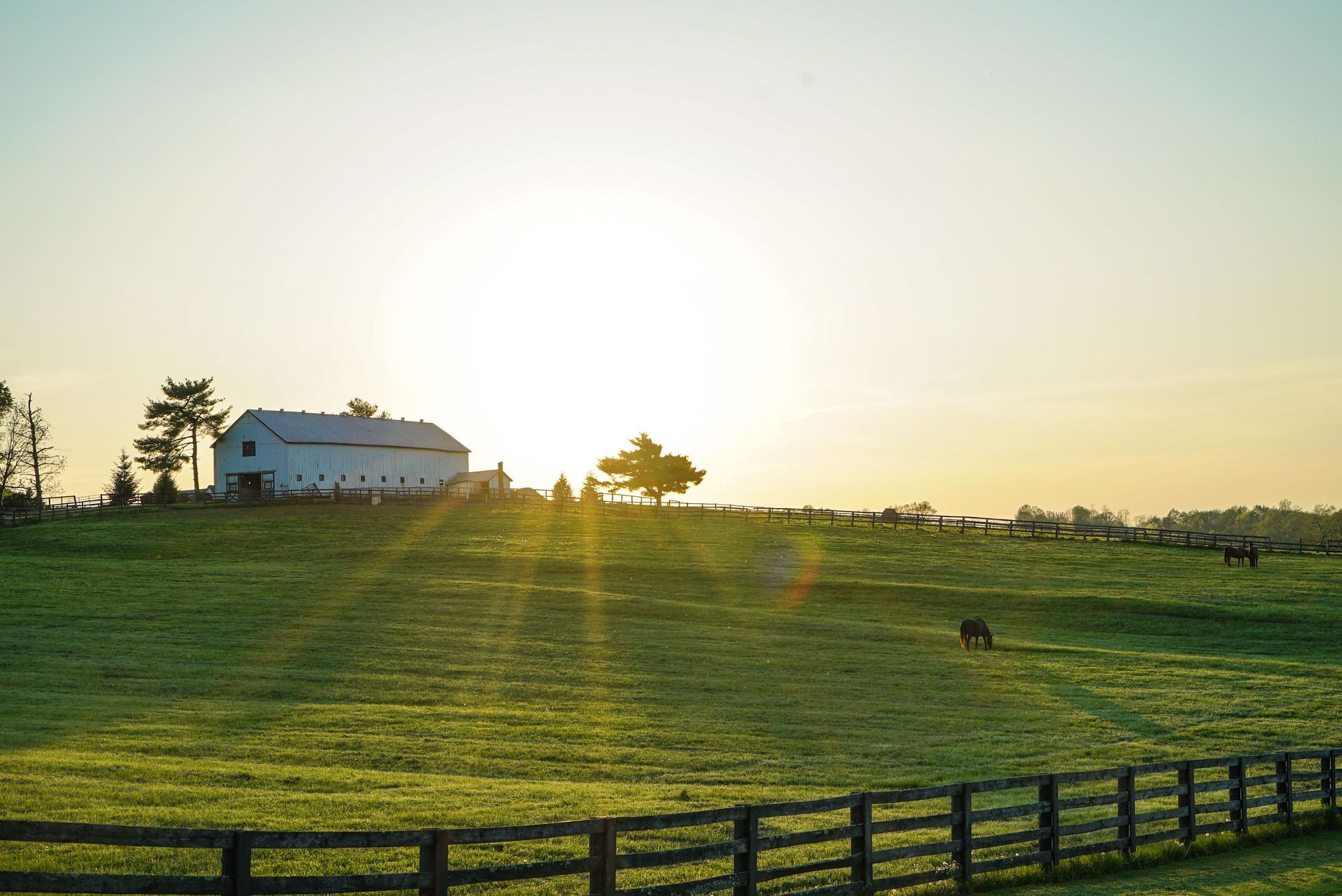
A grazing pasture and a smaller paddock place different demands on a fence. Foals, larger horses and animals that test boundaries also have different requirements. Start with how the enclosure will be used, where the horses move and the locations of water and shelter. If the property includes other livestock, keep the horse enclosure requirements separate from general field fencing.
Visible fence lines and suitable openings
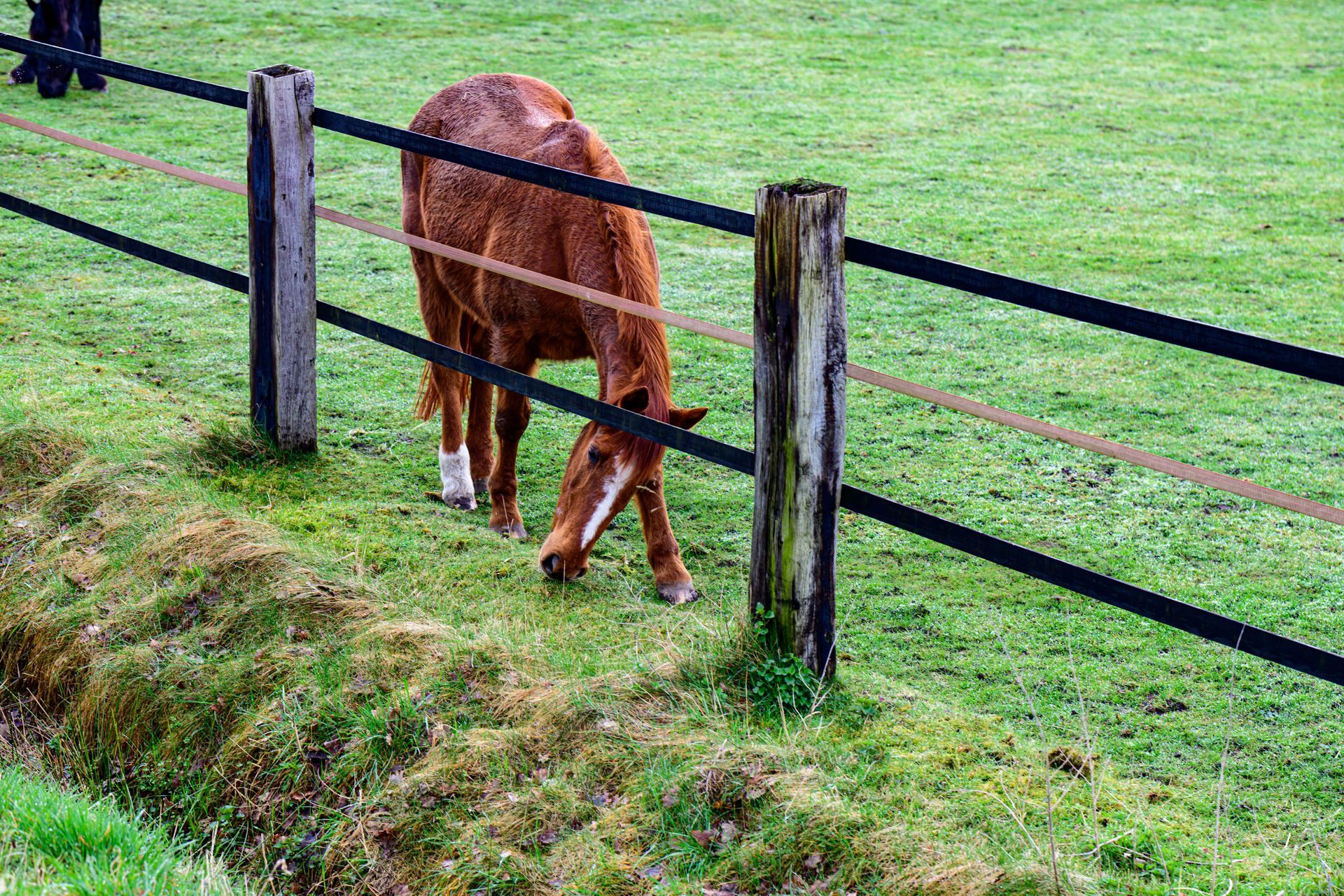
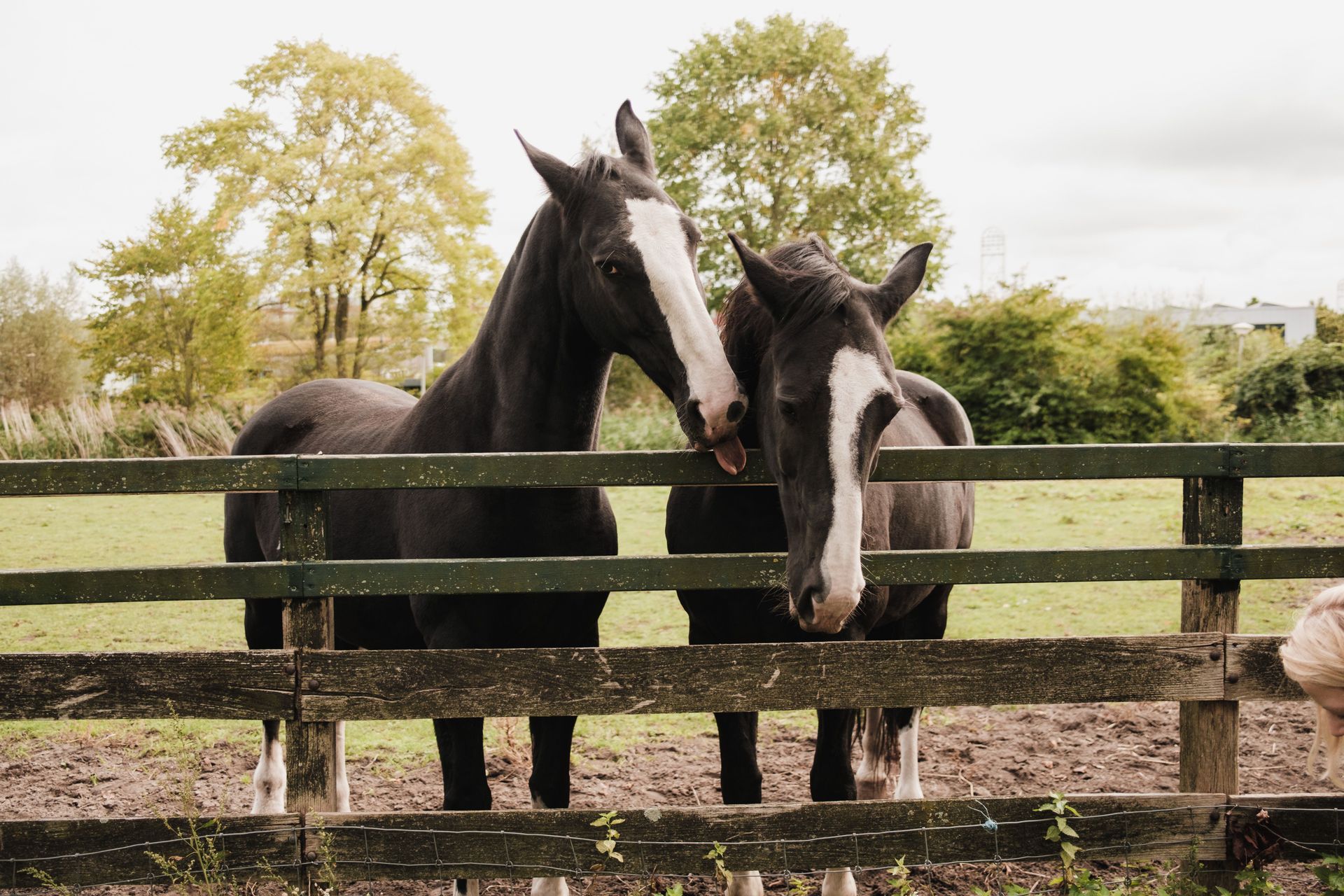
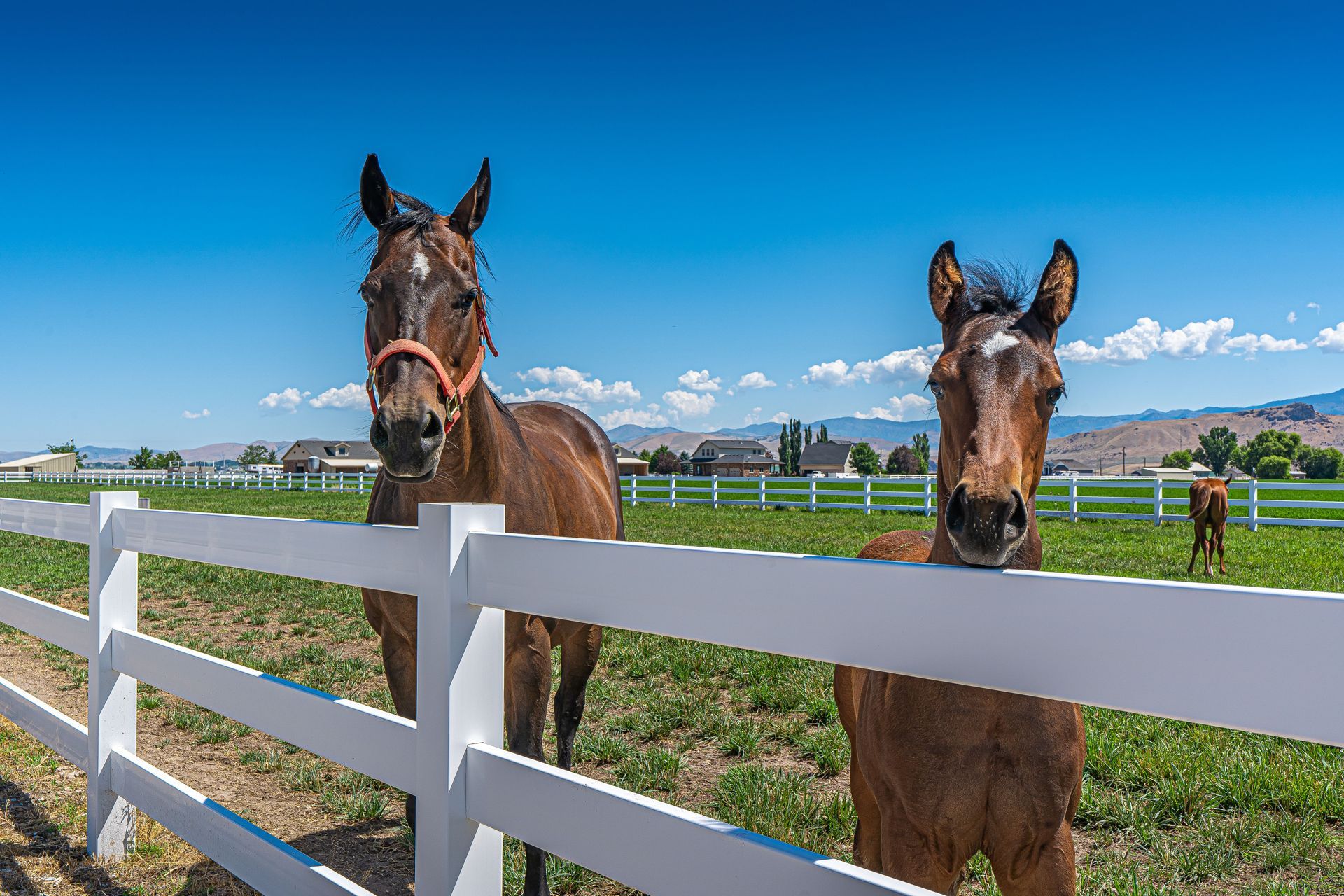
Horses should be able to recognize the fence line clearly. Mesh openings and rail spacing need to be assessed for hoof, head and leg entrapment risks, with exposed hardware and contact surfaces considered as part of the design. Barbed wire is not recommended for horse enclosures because it can cause injury. Suitable materials, correct installation and regular inspections help reduce fencing hazards.
Posts and gates for daily access
Posts and connections need to suit the selected fence system and the contact it may receive. Gates should accommodate horse handling, trailers, tractors and mowing equipment without creating awkward approaches or narrow openings. Where you also need a vehicle entrance, driveway gates can be discussed alongside the pasture layout. Gate hardware and adjoining fence sections need the same attention as the rest of the enclosure.
Horse fencing for Houston soil and drainage conditions
Houston-area pastures need a layout that accounts for rain, drainage and the ground along the fence line. Where clay soil expands and shrinks as moisture changes, post foundations and connections deserve particular attention. Low spots and muddy gate approaches can also make daily access difficult. We assess damaged fencing and adjoining sections before discussing replacement. If deer affect planting areas elsewhere on the property, a separate deer fencing enclosure can address that need.
Get Your Free Fence Quote
residential wood fence quote
All Ranch & Acreage Fencing:
Horse Fencing FAQs
Which fence material is best for horses?
There is no single best material for every property. Suitable mesh or rail systems should be considered alongside the horses, visibility, maintenance and budget. Discuss the horse-fencing options available for your project during the estimate.
How high should a horse fence be?
Penn State Extension recommends horse fences 54 to 60 inches above ground, with taller fencing potentially needed for larger horses, stallions or horses that jump. This is general planning guidance. The final height, openings and materials should suit your animals and enclosure, with the available installation options discussed during your estimate.
Can general livestock wire be used for horses?
Do not assume it is suitable. Openings, visibility, hardware and bracing need to be assessed for horses before a system is chosen.
Does horse fencing need maintenance?
Yes. Inspect posts, rails or mesh, hardware and gate connections regularly. Address loose components, damaged material and new gaps before continuing to use the affected area.
Request a Free Horse Fencing Estimate
Serving Greater Houston since 1991, Advantage Fence welcomes larger pasture projects and individual paddock jobs. Call 713-426-0670 or request a free horse fencing estimate to discuss your property. Prefer email? Send your property address and project details to advantagebtw@yahoo.com.